

- Tel: +8613968757939
- Fax: +86-577-65041537
- Email: susan@wintopauto.com
- Add: Ruihong Garden, Tangxia Town, Ruian City, Zhejiang, China
What is Fuel Filter
A fuel filter is an integral component of a vehicle’s fuel system, protecting it from contaminants and allowing the engine to run cleanly and efficiently. The fuel filter screens dirt, sediment, contaminants, and even rust particles out of the fuel, preventing them from entering the injectors or other parts of the engine where they could cause damage. Dirt and debris can cause unnecessary wear and tear on injectors and other components.
Enhanced Fuel Flow
Over time, filters can get clogged with contaminants like dirt and rust, leading to reduced engine performance and efficiency. Regular replacement of the fuel filter ensures an unobstructed flow of fuel to the engine. A clean filter maintains consistent fuel supply and optimal engine performance.
Protection for Fuel Injectors
Fuel injectors are critical for delivering the right amount of fuel to the engine. A dirty fuel filter can allow harmful particles to reach and damage these injectors. Changing the filter regularly protects the injectors, ensuring efficient fuel delivery and preventing costly repairs.
Optimal Fuel Efficiency
A clean fuel filter is essential for smooth fuel flow, which is crucial for fuel efficiency. Clogged filters make the engine work harder to draw fuel, leading to increased fuel consumption. Regular changes can improve fuel economy and extend driving range.
Longevity of Fuel System Components
A blocked fuel filter can strain the fuel pump and other components, leading to premature wear or failure. Changing the filter regularly reduces this strain, extending the lifespan of these components and avoiding expensive repairs.
Protection Against Contaminants
Fuel often contains contaminants like rust and debris, which can damage the engine. A functional fuel filter acts as a barrier, capturing these particles and preventing engine damage, thus promoting engine longevity.
Prevention of Fuel System Corrosion
Moisture and impurities in the fuel tank can cause corrosion in the fuel system. Regularly changing the fuel filter helps prevent these contaminants from reaching critical components, thereby reducing the risk of corrosion.
-
 Add to Inquiry
 -
 Add to Inquiry
 -
 Add to Inquiry
 -
 Add to Inquiry
 -
 Add to Inquiry
Why Choose us
Products Quality
We have the reliable cooperation factories, and our factory is ISO9000/TS16949 quality management system certified.
Good Reputation
We have a good reputation with high quality, reasonable price and great service in the world.
Sales Network
Our range of products and services is continuously expanding to ensure compliance with customers' requirements.
Complete Product Range
We offer over 5,000 kinds of products, including chassis parts, suspension parts, Filters, Brakes, Pumps, cooling system, air condition system, alternator

When it comes to replacing a car's fuel filter, the general recommendation is to do it every 20,000 to 30,000 km. However, this number may vary depending on several factors such as the type of vehicle you drive, how often you drive it, and where you drive it. As well, it depends on the type of fuel filter your vehicle is equipped with. It can be a good practice to change the fuel filter at every oil change.
Environmental factors affect the interval. For example, people who live in areas with extreme weather conditions or dusty roads should replace their fuel filters more often than those who don't. As fuel gets colder, particularly diesel, it becomes more viscous and flows less freely, and it's more difficult for it to pass through a partially dirty filter.
It's also important to note that some vehicles come with built-in maintenance reminders that will alert you when it's time for a replacement. Once alerted, you should replace your fuel filter as soon as possible.
Another way of telling when it might be time for a replacement is by checking the old fuel filter visually. If there are any signs of a fuel leak or a smell of gasoline they should be replaced. Because they're often mounted on the frame rail, exposure to the elements can shorten their useful life.
Other factors include:
● Your vehicle's age. Older cars often have debris and grime collected in the fuel tank that stirs up and needs to be filtered out at a higher rate than newer cars.
● Where you drive. City driving often means less mileage annually, but similar amounts of fuel filtered and burned. Highway driving can happen faster. 30,000 km is an average.
And for fuel filters with a clear housing and a replaceable element, you might be able to see dirt or buildup inside.
What to Consider When Looking for Fuel Filters
Fuel Type
Most modern fuel filters are compatible with different types of fuel. But it can still be helpful to know what type your vehicle uses. After all, it'll help you ensure you're ordering the right replacement. If you're not sure which filter to buy, we recommend consulting your trusted mechanic.
Fuel Flow Rate
Knowing your ride's fuel flow rate will help you choose a filter that will suit your vehicle. Some fuel filters are restrictive, which means they might not pass enough fuel when they begin to clog. So if your vehicle has a high flow rate, find a filter that's not restrictive to ensure it can handle your ride's fuel flow.
Micron Rating
You can also check out the filter's micron rating if the data is available. A low rating means that the filter can screen finer contaminants better than other filters. However, these filters usually have a shorter lifespan, and they can become too restrictive after some time.
How To Clean Car Fuel Filters
Locate The Fuel Filter
Before you enter the process of cleaning the fuel filter, make sure you know the fuel filter location first. The location of the fuel filter in each car usually varies, depending on the type of car.
The fuel filter flows into the carburetor or injection system. If it is correct, then you can reorder it to reach your car's filter. By knowing its location, you can carry out the following process.
Ensure No Fuel Is Exposed To The Spray
To perform maintenance on the car fuel filter, you can try to open the clamp in the fuel line and is usually at a distance of 4 inches at the exit and entry of the hose.
The clamps should also be tightened using a flat head screwdriver. Then you can close the hose by using a clamp, which will ensure that no fuel is sprayed or safe.
Prepare A Container Under The Filter
To clean the fuel filter, you can do this by preparing a container and placing it under the fuel filter. Then you can open the cap of the clamp, then attach the filter to the hose.
When opening and closing the clamp, you can pull the hose on the filter and let the fuel out. If you remove all the hoses, then let all the remaining fuel in them come out smoothly.
Start Cleaning the Fuel Filter
You can enter the stage of cleaning the filter on the car fuel. Please hold the fuel filter part and insert the hose into the inside. Then spray the fuel filter using a special liquid.
Please attach the nozzle to the spray section and insert it into the other end that leads into the filter and spray. Let everything come in and out of the bottle. You have to repeat this step from both ends.
Tapping Filter Surface
This method is enough to emphasize the filter, or you can also use a screwdriver by pressing on the handle. Make sure that you can properly tap all the circles on the fuel filter surface of the car.
Spray Again and Dry
Then you can spray again and can spray the fuel filter with a spray device. If it has been spread, make sure you dry the fuel filter for about an hour.
Install the Filter Back
If you are sure that the fuel filter is clean, you can install the fuel filter to its original position. Make sure to install correctly so that the fuel filter can work optimally.
Replace the Filter If Needed
If the fuel filter is in bad condition or damaged, you have to replace it with a new one. You can buy a new car petrol filter that is adjusted to the specifications of the car you have.
Finding the Fuel Filter in Your Vehicle
The fuel filter is typically situated along the fuel line, either beneath the car near the fuel tank or under the hood close to the engine. Your car's manual should provide specific instructions on locating the fuel filter for a successful gas filter replacement.
Disconnecting and Removing the Old Filter
Before removal, relieve the fuel system pressure by starting the engine and removing the fuel pump fuse or relay from the fuse box. This prevents fuel from spraying out when disconnecting the filter. Use a wrench or socket to loosen the fittings on both ends of the fuel filter. Be ready for some fuel spillage and disconnect the fuel lines from the filter before removing it.
Installing the New Fuel Filter
Position the new filter correctly, with the arrow on the filter pointing towards the engine. Secure the filter using the provided clips or mounting bracket, then reconnect the fuel lines, ensuring they are firmly attached. Tighten the fittings to prevent leaks. Reinsert the fuel pump fuse or relay and start the engine to check for any issues.
Regular gas filter replacements as advised by your vehicle manufacturer can help maintain optimal engine performance and increase the longevity of your fuel system. If you're unsure about performing this task yourself considering the fuel filter replacement cost, it's best to seek professional assistance.

The symptoms of a bad fuel filter often coincide with other fuel delivery or ignition issues, so most signs of a problem aren't exclusive. Still, they can lead you in the correct direction to help you identify the culprit. Signs of dirty or clogged fuel filter include:
● Engine misfires accompanied by a Check Engine Light on
● Rough running
● Hesitation on acceleration and decreased power
● Stalling when driving or at idle
● Decreased fuel economy
● Difficulty starting the engine
● Raw fuel smell in the exhaust or near the fuel filter
To help narrow down the fuel filter as faulty, begin by inspecting the fuel filter housing itself for leaks due to cracks, loose fittings, or corrosion. Then, scan the onboard diagnostics system for error codes indicating a lean condition.
Test drive the vehicle to check for sluggish performance, and listen to the engine for any unusual sounds like pinging.
If any of these symptoms appear, changing the fuel filter is a good idea. It's a low-cost preventative maintenance item, and if it's the cause of your symptoms, it's an easy fix. And if it wasn't the source, there's no harm in having a new fuel filter installed already so you can continue diagnosing the issue.
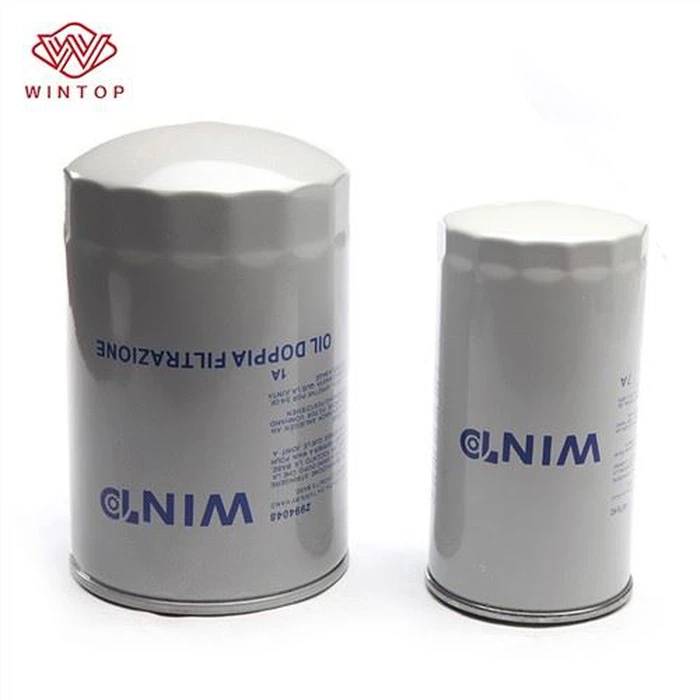
The fuel filter consists of two parts: A filter element and housing. The design can be drastically different with replaceable fuel filter elements, in-line filters, and screw-on filters being common types. The housing holds the filter element which has microscopic holes that allow only clean filtered fuel to pass through. It also captures and holds particles such as rust, dirt, or any other contaminants that are not allowed to pass through the filter element. This helps keep debris from entering the engine's cylinders through the injectors. Only particles small enough to not cause issues like plugged fuel injectors can pass through the filter.
Fuel filters come in various designs for different vehicles and engines. Some designs have an inlet chamber and outlet chamber separated by the filter element in a sealed housing. Others may be designed differently depending on the particular application needs.
How does a fuel filter work? When your vehicle's gas tank is filled with fuel, any sediment or dirt contaminants mixed in with this fuel passes through the fuel injector before reaching its final destination – your car's engine cylinders – where they are burned off as exhaust emissions during the combustion process.
However, if these contaminants are large particles, particularly abrasive bits, they would eventually cause serious damage to your car's critical components including valves, pistons, cylinder walls, and more. It would damage parts over time due to wear and tear. It can also affect fuel efficiency since fuel injectors can be plugged up, producing an uneven spray that's less efficient to produce power. Your engine can also run poorly due to a misfire if buildup prevents valves from closing properly or fuel injectors from spraying.
Our Factory
RUIAN WINTOP AUTO PARTS CO., LTD is the most professional & reliable supplier in truck spare parts for VOLVO, MAN, SCANIA, MERCEDES BENZ, DAF, RENAULT, IVECO etc. We offer over 5,000 kinds of products, including chassis parts, suspension parts, Filters, Brakes, Pumps, cooling system, air condition system, alternator & starter system, ignition system, exhaust system and body parts for heavy-duty trucks and trailers.
We have a good reputation with high quality, reasonable price and great service in the world. We have the reliable cooperation factories, and our factory is ISO9000/TS16949 quality management system certified.
We aspire to meet the demands of truck parts users globally. Our range of products and services is continuously expanding to ensure compliance with customers' requirements.
WINTOP welcome our potential customers for future business relationships and achieving mutual success!

Asked Questions
Q: How long can I drive with a bad fuel filter?
Q: How often should a fuel filter be changed?
Q: What are signs of a bad fuel filter?
Q: Will a car run better with a new fuel filter?
Q: How does a car act when it needs a new fuel filter?
Q: How many years does a fuel filter last?
Q: Does replacing fuel filter increase power?
Q: Is a fuel filter change easy?
Q: Can you change a fuel filter with a full tank of gas?
Q: Do you need to drain the fuel tank to change the fuel filter?
Q: Does it take long to change a fuel filter?
Q: How long can you drive without changing fuel filter?
Q: How to tell if your fuel filter is bad?
Q: What are the symptoms of a bad fuel filter?
Misfire or rough idle. ...
Vehicle stalling. ...
Fuel system component failure. ...
Loud noises from the fuel pump.
As one of the leading fuel filter manufacturers in China, we warmly welcome you to buy or wholesale cheap fuel filter in stock here from our factory. All products made in China are with high quality and competitive price.
